
MRT Wire Rope Inspections: Expertise Behind Better Decisions

Wire rope damage is not always visible from the outside. By combining advanced Magnetic Rope Testing (MRT) technology with certified in-house expertise, Saga Subsea helps detect abnormalities, document wire condition and make safer, more cost-effective maintenance decisions.

Over the past couple of years, Saga Subsea has established itself as one of Europe’s leading providers of MRT services.

So what is magnetic rope testing, and why should the industry go for MRT inspections instead of the traditional visual inspection?

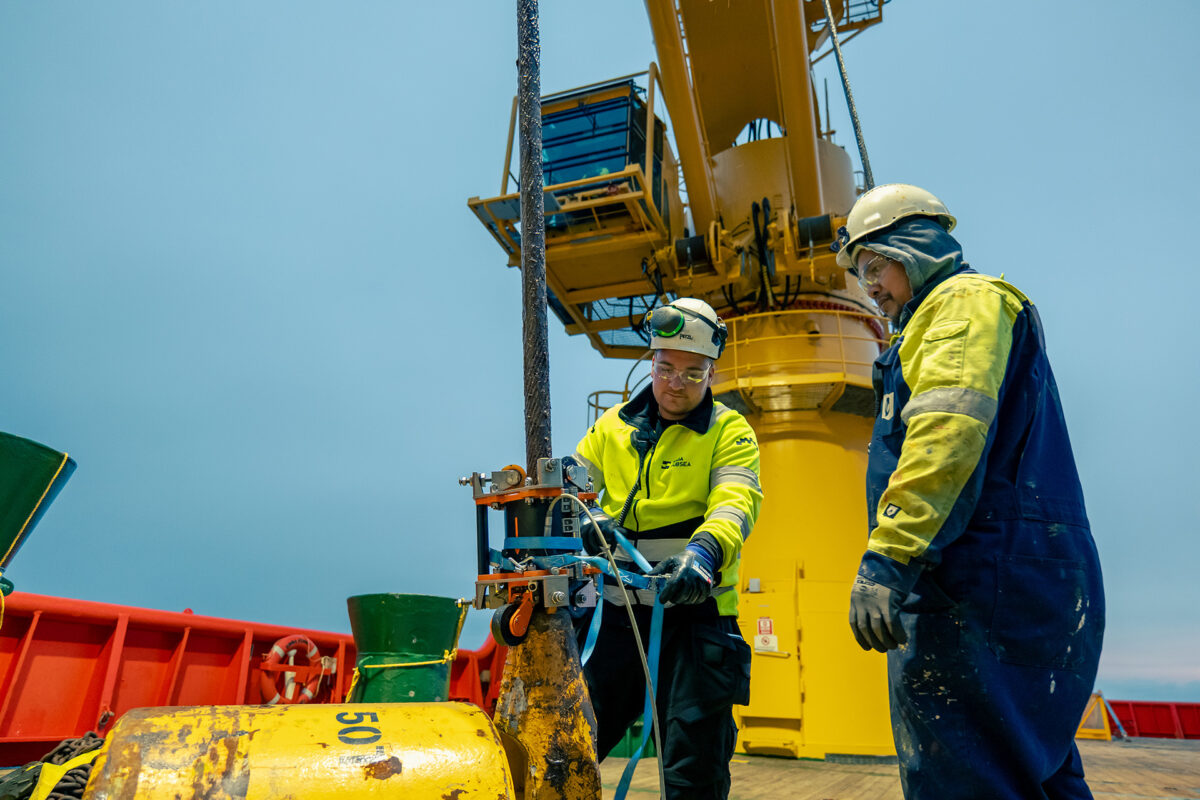
 “MRT wire rope inspections go beyond traditional visual inspections. It enables both external and internal inspection of wire ropes, even when they are covered in grease from offshore operations. By performing magnetic rope testing, we measure the magnetic flux in the rope and can detect any abnormalities,” says Vessel Agent Andreas Woldmer.

Our experience is that our MRT machines give more accurate readings than competing brands. This is an important factor when detecting breakages, rust and moisture inside the core of the wire rope and chart how they develop over time.
MRT equipment for different wire rope sizes

Saga Subsea invested in MRT machines early on. This has enabled us to keep pace with growing demand and industry developments without falling behind.

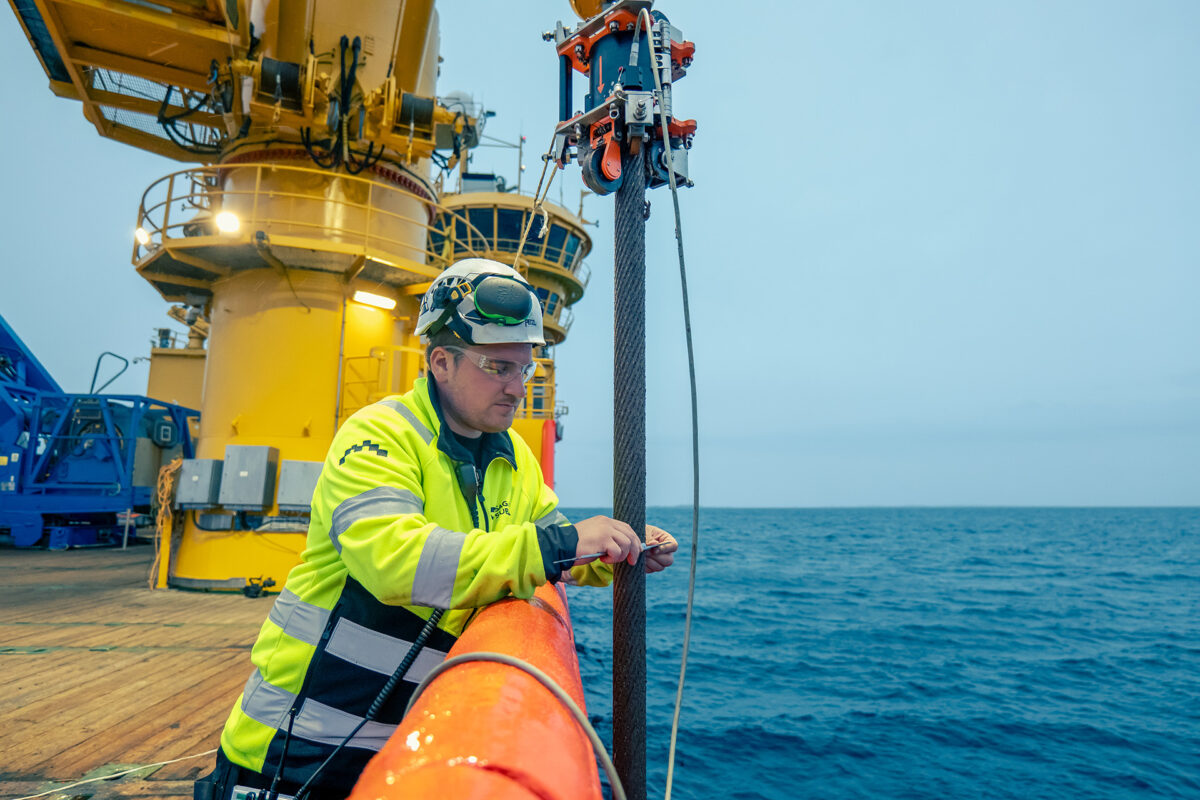
Currently we have eight different MRT machines in our tool pool. They cover wire ropes ranging from 6mm to 163 mm in diameter, giving us the flexibility to take on a variety of different jobs.

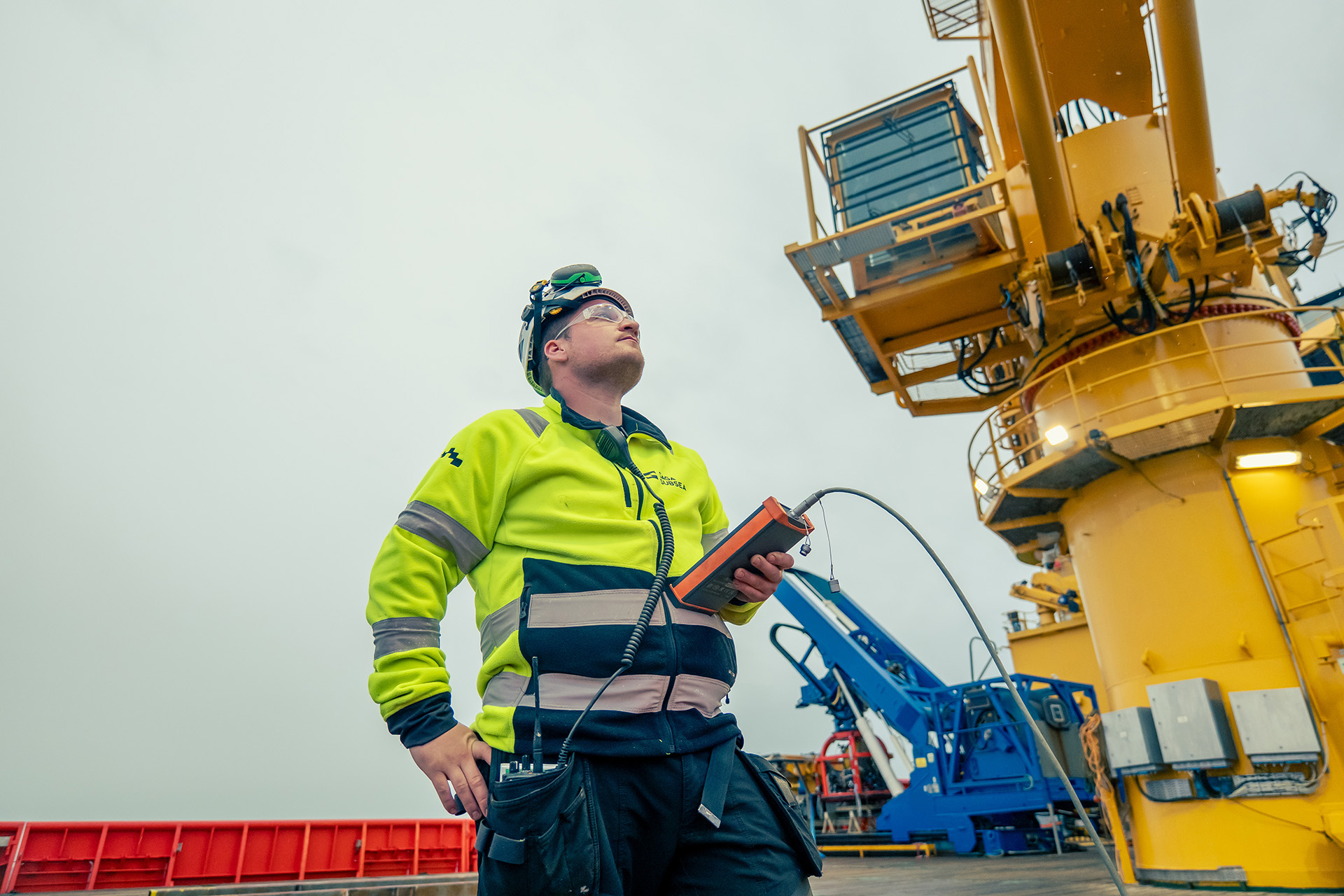
“We are confident that we have the best machines on the market. We consistently receive feedback from clients that our machines allow them to complete the job faster than machines from other manufacturers, as the crane can operate at a slightly higher speed during the inspection. This is important because most companies work to tight schedules and need the job completed quickly,” says Woldmer.

Supporting condition-based wire rope maintenance

If we find any abnormalities, the next step depends on the severity of the damage. In some cases, the wire rope can remain in service, with routine inspections used to track the development of the abnormality. In other cases, other measures need to be taken. The accurate readings through MRT services give us the opportunity to suggest more cost-effective solutions.

“A couple of years ago, we identified a major breakage approximately 280 metres into a 3,000-metre wire rope. We recommended removing around 320 metres and then re-terminating the wire rope. After that, the wire rope could safely remain in service. There was no need to take the cost of discarding the entire wire rope and investing in a new one,” says Woldmer.

Instead of replacing their wire ropes every five years, companies can now keep them in service for longer while remaining confident in their condition.

“A magnetic rope testing and the accompanying documentation provide assurance that the wire ropes used in projects are properly maintained and in good condition. We are seeing companies carry out MRT inspections more routinely now, roughly every six months. This often happens when vessels receive a new contract, so their client can be confident in the condition of the wire ropes being used. A faulty wire rope can have fatal consequences,” says Woldmer.

Training, qualifications and inspection standards with ISO 4309 and ISO 9712

Our technical supervisor, Jostein Løken, has completed training in ISO 4309 and ISO 9712. The theoretical and practical training programme follows international standards and provides in-depth knowledge of MRT technology.

“These courses provided a deeper understanding of the technology, how to interpret the signals, and the method’s capabilities and limitations. When we inspect a wire rope, significant assets—and, above all, safety – are often at stake. It is not enough simply to ‘believe’ that something is acceptable or not. Saga Subsea now has a much stronger foundation of technical expertise. For our clients, the certifications mean that our assessments are based on documented competence,” says Løken.

Jostein’s qualification also enables Saga Subsea to train new MRT operators in-house, strengthening the expertise of our entire team.

“Having certified expertise in-house allows us to discuss complex findings and ensure that everyone works according to the same methods and quality standards. It supports the professional development of our team and gives our clients confidence that our operators are backed by an entire team of highly skilled professionals—not just individuals with experience,” says Løken.

MRT inspections in Las Palmas and worldwide

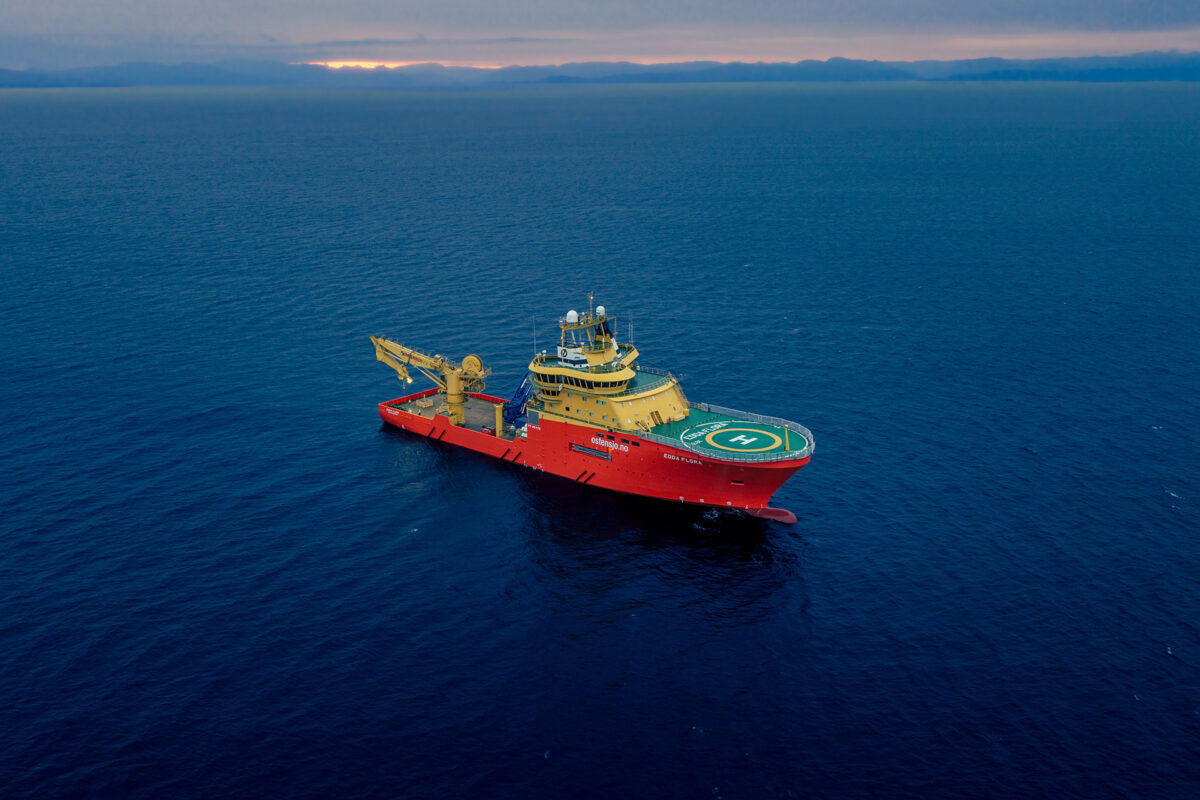
Saga Subsea has had a base in Las Palmas for many years now. From this location, we provide agency and vessel support services at one of the world’s busiest maritime hubs. Many of our wire rope inspections are also carried out in Las Palmas, and we have MRT machines stationed on the island if they are not in use elsewhere in the world.

“This allows us to provide MRT inspections at short notice. Las Palmas is a major hub for vessels travelling to the African continent and across to South America. Water depths of around 3,400 metres can be reached within approximately 20 minutes’ sailing time from the harbour, allowing us to inspect the full length of the wire ropes,” says Woldmer.

“We carry out many assignments across the south of Europe, Africa, in the Middle East, and around Norway. Essentially, our machines and personnel operate worldwide, providing MRT services wherever they are needed,” says Woldmer.

Planning an MRT inspection? Contact Saga Subsea with your vessel location, wire rope diameter and length, and preferred inspection window to discuss scope and availability.